

The short answer
The main types of skirts are grouped three ways. By length: mini, midi and maxi. By shape: A-line, pencil, circle and wrap. By detail or fabric: slit, tiered, pleated, tulle, denim and faux leather. Below, each group comes with fall outfits to copy, notes on the shapes it flatters and real skirts to shop.
Skirt names can feel like a secret language. A pleated midi, a tiered mini and an A-line maxi all sound different, yet each name simply tells you one of three things: how long the skirt is, what shape it makes on the body, or what detail or fabric sets it apart. Once you know those three, you can read any product page in seconds and picture the skirt before you try it on. This guide walks through every type in that order. Each one gets a short definition, a fall outfit you can put together from pieces you probably own, and a quick note on who it suits best. Fall is a great season to try a new shape, because tights, boots and knits make shorter and fuller skirts easy to wear on cooler days. When you find a type you love, browse our full clothing edit for tops, knits and layers that finish the look.
Types of skirts to know
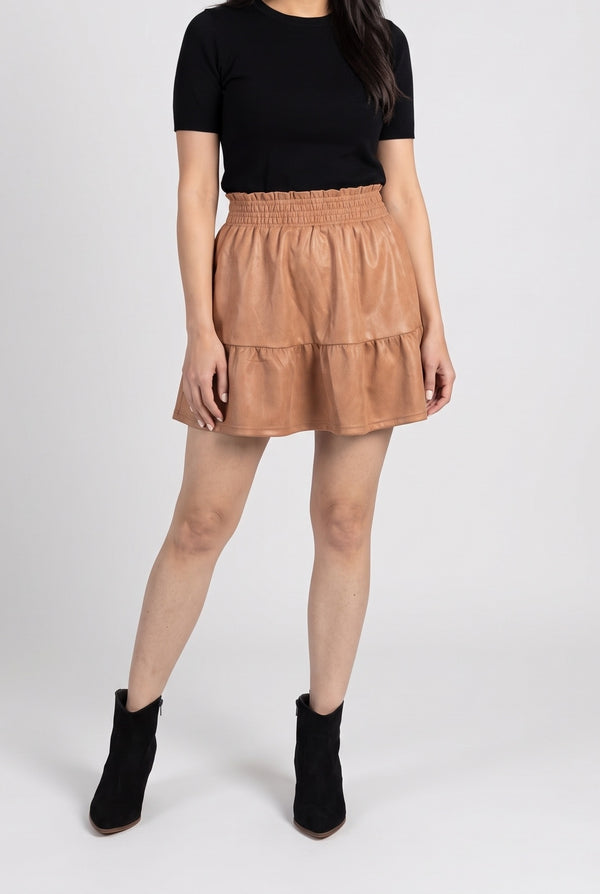

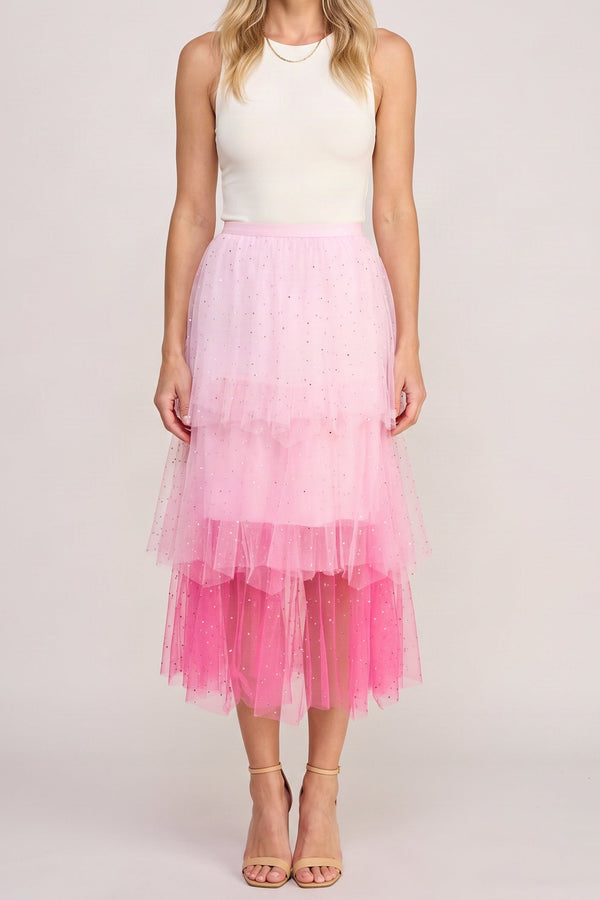
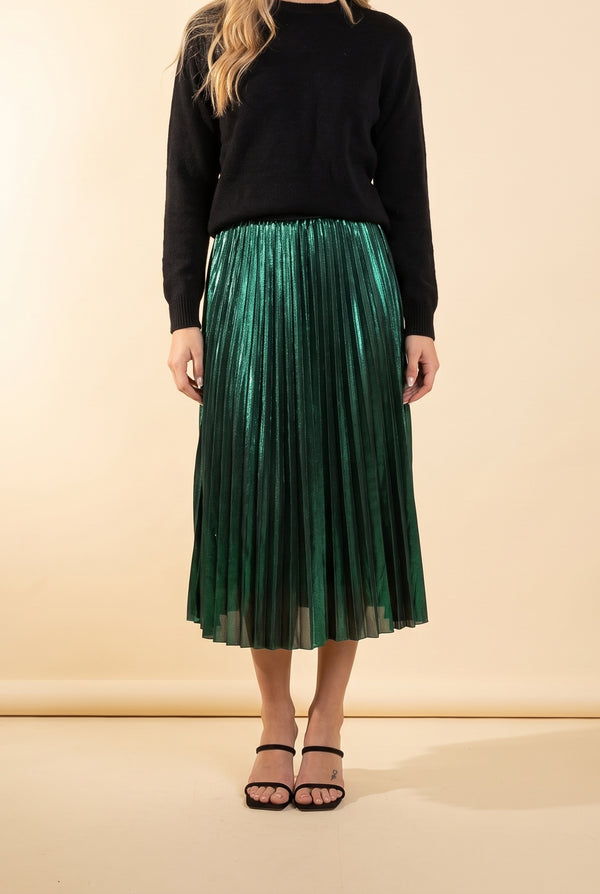
1. Mini, midi and maxi lengths
Length is the first name a skirt gets. A mini sits at mid-thigh or higher, a midi falls between the knee and mid-calf, and a maxi reaches the ankle or floor. Minis suit petite frames, midis work on almost everyone, and maxis lengthen taller figures. For fall, try a camel mini with black tights and knee boots, a midi with a fitted knit, or a maxi with a cropped jacket.
Tip: Pick tights a shade darker than your skirt for a longer leg line.
2. A-line, pencil and circle skirts
Silhouette names describe the shape. An A-line fits at the waist and flares gently, balancing fuller hips and suiting nearly every figure. A pencil skirt is straight and slim, best on hourglass shapes. A circle skirt is cut for full swing and adds curves to straighter frames. For fall, wear an A-line with a tucked turtleneck, a pencil skirt with a fine knit, and a circle skirt with tights and loafers.
Tip: A pencil skirt looks fresh with a cropped cardigan instead of a blazer.
3. Wrap, slit and tiered skirts
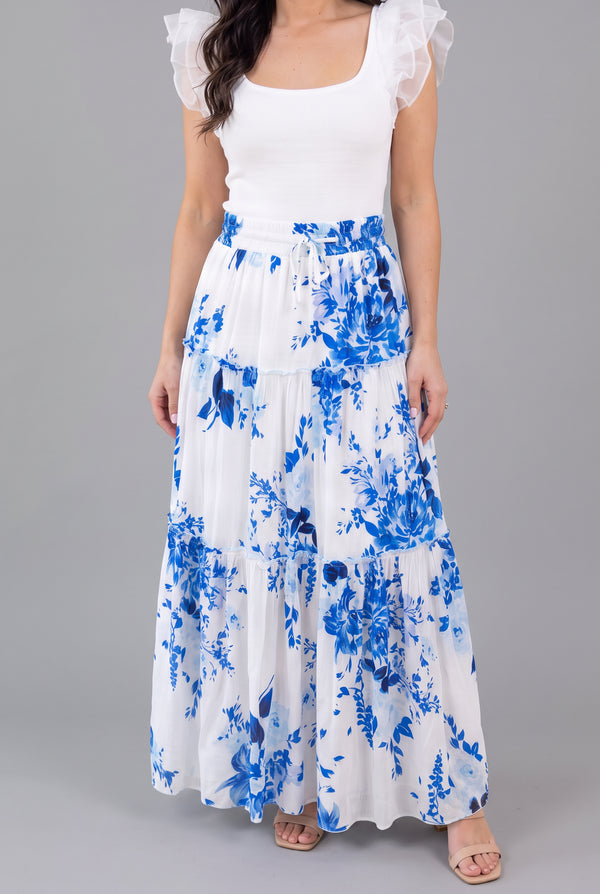
These names come from a detail. A wrap skirt overlaps and ties at the waist, so it defines an hourglass or pear shape. A slit skirt has an opening that shows a flash of leg and lengthens petite frames. A tiered skirt stacks panels that add volume to straight figures. For fall, wear a light blue denim slit midi with a striped knit and ankle boots, or a tiered skirt with a chunky cardigan.
Tip: Slits look best with a heeled boot that fills the opening.
4. Pleated and tulle skirts
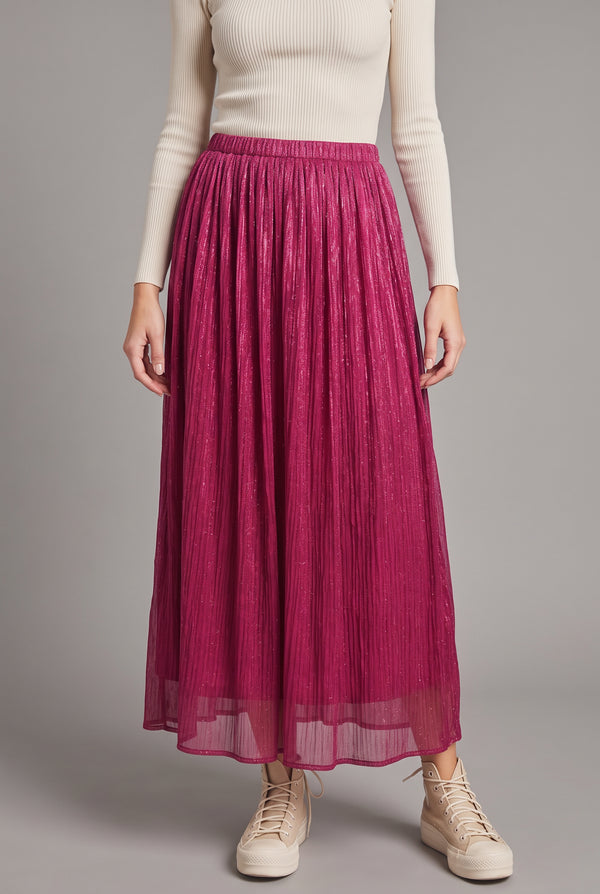
Texture types move as you walk. A pleated skirt is folded into creases, from crisp knife pleats to soft accordion folds, so it swishes and skims the hips. A tulle skirt is layers of fine mesh that float out for a romantic shape. Both add movement to straight frames. For fall, wear an emerald metallic pleated midi with an oversized black knit, or a pink tulle midi with a chunky sweater and boots.
Tip: Keep the top plain and fitted so the pleats or tulle stay the star.
5. Denim and faux leather skirts
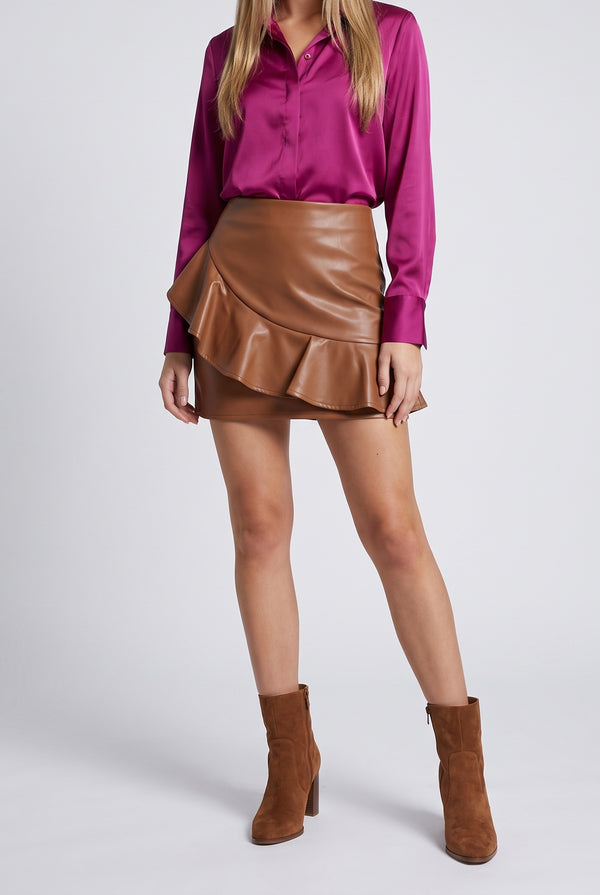
Fabric gives these types their names. A denim skirt is casual and sturdy, and a denim midi dresses up or down with ease. A faux leather skirt has the look of leather in a vegan-friendly finish, and a ruffled faux leather mini adds shape to straight frames. For fall, wear a camel brown faux leather ruffle wrap mini with a tucked knit and boots, or denim with a trench.
Tip: Swap the knit for a silky cami and heels for evening.
Which skirt suits your shape
The most flattering skirt is the one that balances your proportions. Here is a plain-words guide. If your hips are wider than your shoulders, reach for A-line, wrap and soft pleated skirts, which skim the hips and draw the eye to your waist. If your shoulders and hips are similar with a defined waist, pencil, wrap and slit midis follow your curves. If your frame is straight, with little waist definition, circle, tiered and tulle skirts add shape and movement. If you are petite, minis and above-the-knee A-lines keep your proportions balanced, while a high waist adds leg length. If you are tall, maxi skirts, tiered maxis and long pleats look made for you. Midis sit in the middle and work for almost every shape, especially with a heeled boot. For a flowy look, a pleated maxi or a tiered maxi with a drawstring waist gives easy movement, especially on taller frames.
Care and keeping
Each skirt type needs a little different care. Hang pleated skirts by the waistband so the folds stay sharp, and steam rather than iron them. Store tulle loosely, never squashed, and shake out the layers before you wear it. Wipe faux leather with a damp cloth. Always check the care label before washing.
Frequently asked questions
What are different names for skirts?
Skirts are named by length, shape, detail or fabric. Length names are mini, midi and maxi. Shape names include A-line, pencil, circle, skater and wrap. Detail names include pleated, tiered, slit and ruffled, and fabric names include denim, tulle and faux leather. One skirt often carries two names, like a pleated midi.
What are flowy skirts called?
Flowy skirts usually go by circle, A-line, tiered, pleated, tulle or broomstick, and many are cut as maxis or midis. What they share is extra fabric that moves as you walk. For an easy flowy look this fall, try a pleated maxi or a tiered maxi with boots and a fitted knit.
Which skirt style is most flattering?
The A-line is the most widely flattering skirt style because it fits at the waist and skims over the hips without clinging. A midi length in an A-line or wrap cut works for nearly every body shape. Beyond that, choose the type that balances your proportions, as in the guide above.


